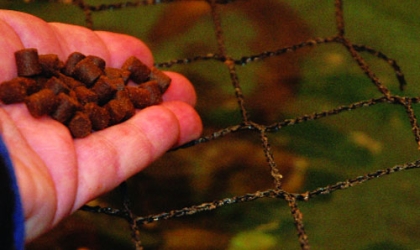



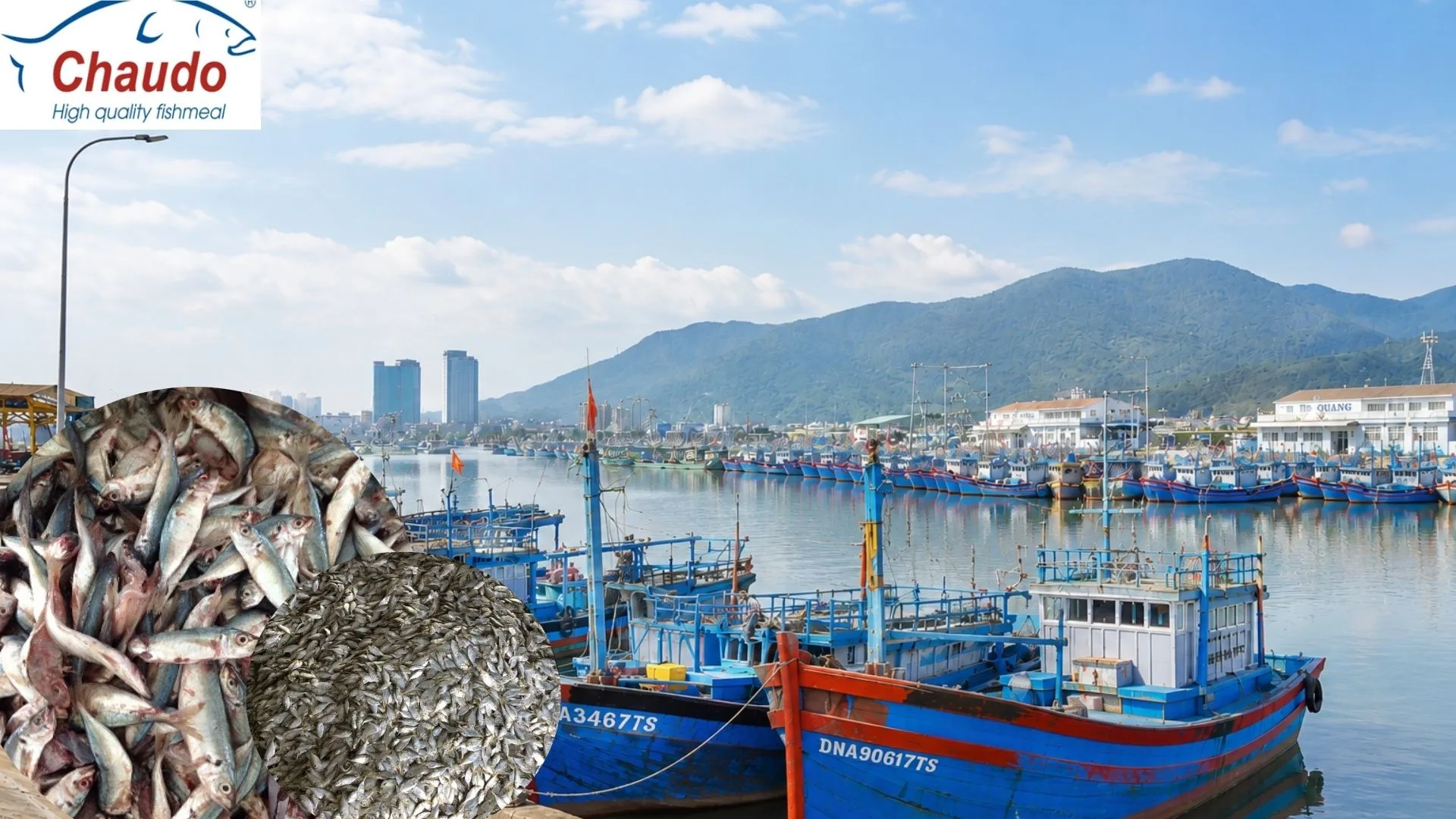
Domestic enterprises are struggling to maintain market share, but their efforts are nothing more than a drop in the bucket.
Not only is it manipulated by foreign companies with factories in Vietnam, but Vietnam's animal feed prices are always 15-20% higher in the region, causing product prices to always increase.
According to the Ministry of Agriculture and Rural Development, the import value of animal feed for livestock, poultry and raw materials in the first 5 months of 2013 reached 1.15 billion USD, up 40.6% over the same period last year. Not being able to proactively source raw materials, plus the costs of import taxes, transportation, warehousing... has caused the price of animal feed in Vietnam to always be much higher than in the region.
Mr. Le Ba Lich - Chairman of the Animal Feed Association - said: Businesses are facing very difficult times, many small and medium-sized businesses have gone bankrupt. Currently, there are 234 animal feed enterprises in the country, of which only 194 establishments and enterprises are still operating. There are 40 factories with mainly domestic capital that have stopped production or changed their business direction. A market rich in potential with an average annual growth of 13-15% but is being "taken over" by foreign-invested enterprises, estimated to account for about 56% of the animal feed market share.
The difficulty of competing for domestic animal feed enterprises is not only due to high raw material prices and input costs, but also due to not much working capital and less flexible sales policies like FDI enterprises. If FDI enterprises spend a lot of "commissions" on agents, have a bonus mechanism based on sales, let farmers buy food on credit... then domestic enterprises can only spend a very small part so they cannot compete.
Mr. Pham Duc Binh - Chairman of the Board of Members of Thanh Binh Co., Ltd. (Dong Nai) - expressed: The animal feed industry is having a problem in not selling bran to pigs but to people! Many companies form multi-level sales, selling a large amount of goods to agents at the beginning of the year, with high rewards; Lower level agents are given incentives to promote product consumption, resulting in farmers having to buy food at high prices.
Managing in a difficult situation
Not all domestic enterprises can withstand the fierce competition of the animal feed market when there are only 15 FDI enterprises and joint ventures but own 44 factories, producing over 7.15 million tons of mixed feed equivalent. Some domestic enterprises such as: Dabaco, Proconco, Hong Ha, VINA Cam, Thanh Binh... are trying hard to maintain and expand the market with an output of about 3.13 million tons/year, accounting for 24% of the market share.
Each enterprise has its own way of doing things, but the three-party linkage model like Thanh Binh Company is doing is also quite effective. Accordingly, farmers who buy bran will be introduced by the company to Dong Nai Branch of Agricultural Bank to borrow capital at low interest rates. The bank will disburse money in batches according to the needs of farmers. Businesses selling directly to farmers will save 5% of costs because they do not have to go through intermediaries...
These factors will help lower product prices compared to market prices, so neither farmers nor businesses suffer losses when investing. Currently, the company's food prices are always 15-30% lower than those of foreign businesses.
This is just one of many ways for businesses to survive in market competition. In the long term, policies for developing the animal feed industry are effective solutions for this industry to stabilize and develop.
Many businesses recommend eliminating the 5% VAT on animal feed because farmers must directly bear this tax.
Not only is it manipulated by foreign companies with factories in Vietnam, but Vietnam's animal feed prices are always 15-20% higher in the region, causing product prices to always increase.
According to the Ministry of Agriculture and Rural Development, the import value of animal feed for livestock, poultry and raw materials in the first 5 months of 2013 reached 1.15 billion USD, up 40.6% over the same period last year. Not being able to proactively source raw materials, plus the costs of import taxes, transportation, warehousing... has caused the price of animal feed in Vietnam to always be much higher than in the region.
Mr. Le Ba Lich - Chairman of the Animal Feed Association - said: Businesses are facing very difficult times, many small and medium-sized businesses have gone bankrupt. Currently, there are 234 animal feed enterprises in the country, of which only 194 establishments and enterprises are still operating. There are 40 factories with mainly domestic capital that have stopped production or changed their business direction. A market rich in potential with an average annual growth of 13-15% but is being "taken over" by foreign-invested enterprises, estimated to account for about 56% of the animal feed market share.
The difficulty of competing for domestic animal feed enterprises is not only due to high raw material prices and input costs, but also due to not much working capital and less flexible sales policies like FDI enterprises. If FDI enterprises spend a lot of "commissions" on agents, have a bonus mechanism based on sales, let farmers buy food on credit... then domestic enterprises can only spend a very small part so they cannot compete.
Mr. Pham Duc Binh - Chairman of the Board of Members of Thanh Binh Co., Ltd. (Dong Nai) - expressed: The animal feed industry is having a problem in not selling bran to pigs but to people! Many companies form multi-level sales, selling a large amount of goods to agents at the beginning of the year, with high rewards; Lower level agents are given incentives to promote product consumption, resulting in farmers having to buy food at high prices.
Managing in a difficult situation
Not all domestic enterprises can withstand the fierce competition of the animal feed market when there are only 15 FDI enterprises and joint ventures but own 44 factories, producing over 7.15 million tons of mixed feed equivalent. Some domestic enterprises such as: Dabaco, Proconco, Hong Ha, VINA Cam, Thanh Binh... are trying hard to maintain and expand the market with an output of about 3.13 million tons/year, accounting for 24% of the market share.
Each enterprise has its own way of doing things, but the three-party linkage model like Thanh Binh Company is doing is also quite effective. Accordingly, farmers who buy bran will be introduced by the company to Dong Nai Branch of Agricultural Bank to borrow capital at low interest rates. The bank will disburse money in batches according to the needs of farmers. Businesses selling directly to farmers will save 5% of costs because they do not have to go through intermediaries...
These factors will help lower product prices compared to market prices, so neither farmers nor businesses suffer losses when investing. Currently, the company's food prices are always 15-30% lower than those of foreign businesses.
This is just one of many ways for businesses to survive in market competition. In the long term, policies for developing the animal feed industry are effective solutions for this industry to stabilize and develop.
Many businesses recommend eliminating the 5% VAT on animal feed because farmers must directly bear this tax.