


"With 10 years in shrimp farming, for 5 years I have raised whiteleg shrimp in an industrial form with an area of 6 hectares; the winnings are greater, but risks still threaten" - Mr. Nguyen Ngoc Toan (Hoa Thanh village, Ninh Hai commune, Ninh Phuoc district, Ninh Thuan province) confided.
In 2014, under the guidance of the National Agricultural Extension Center, Mr. Toan applied the model of industrial white shrimp farming according to VietGAP regulations, on an area of 2 hectares. After training on VietGAP regulations, he became aware of 4 important contents of farming according to VietGAP: food safety; disease safety; environmental safety and social security.
From the knowledge he has learned, Mr. Toan decided to follow the correct process and not use antibiotics or chemicals during the shrimp farming process. He said the steps are as follows:
Step 1: Prepare water for settling pond (tarpaulin-lined pond)
After carefully preparing the pond (draining, washing the tarpaulin, drying, disinfecting), putting up a bird net and net to prevent crabs, fiddler crabs, fiddler crabs... take the water in through a thick cloth filter bag to remove larvae, shrimp, crabs, fiddler crabs, trash fish, insects... (wait for the water to be clean before taking it), use Ca (ClO)2 to disinfect the water, dose 2 kg/1,000 m3 of water, fan the water continuously for 1 day and then use. Next, apply BKC, dose 2 liters/1,000 m3 of water, 2 days later use lime (CaCO3) dose 70 kg/1,000 m3, dissolve it in the pond to stabilize pH, use EDTA dose 5 kg/1,000 m3 water to remove heavy metals and stabilize alkalinity.
Step 2: Color the water in the pond
Once the water has been put into the pond, proceed to color the water according to the formula 4:2:1 (4 kg of molasses + 2 kg of rice + 1 liter of E.M), brew with 40 liters of water, for 4 - 5 days, after fermentation, fall into the pond to color the water with a dosage of 400 liters/1,000 m3 of water, continuously for 3 days to make the water color beautiful, ensuring shrimp growth. good.
Step 3: Select and release shrimp seeds
- Select shrimp seed: Stock P15 shrimp seed, shrimp have bright color, even size, healthy, have passed quarantine by specialized agencies, shrimp are negative for diseases: MBV, white spot, yellow head, IMNV, pancreas decantation...
- Release at the right season, choose a cool time to release (evening), density 100 fish/m2.
Step 4: Care and management
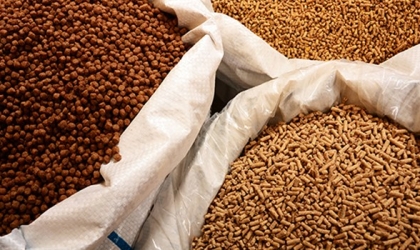
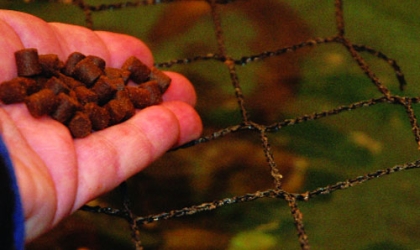
- Feeding: Choose a type of food with a protein level of 32 - 38%, clearly labeled, reputable, feed the 4 correct (right quality, right quantity, right time, right place), food size according to the age of the shrimp. Feed 4 times a day (morning, near noon, early afternoon, late evening), especially pay attention to using a water fan 24/24 hours so that the shrimp has enough oxygen. After 3 days of culture, start using the biological product E.M, dosage of 1 liter/1,000 m3 of water, apply once every 5-7 days (depending on the water color to decide to apply E.M, if the water color is concentrated, do not fertilize anymore). If there is a lot of blue-green algae in the water, change the water (1/3 of the water in the pond), pay attention to changing it at night, and the next morning apply the biological product E.M. When the temperature is higher than 340C and lower than 240C, reduce food by 20%. Mr. Toan said, biological products (CPSH) are very useful in shrimp ponds because probiotics decompose all organic matter, leftover food, toxic gases... clean the pond bottom, stabilize water color, inhibit harmful microorganisms, promote the growth of beneficial microorganisms, increase shrimp health, so shrimp grow faster, have less disease, and are much more effective than other forms of farming.
- Care: During the farming process, he always observes water color and shrimp health for daily handling (deciding on the amount of food, biological products, water supplementation...). Regularly add minerals to the water environment and shrimp food, in addition to feeding the shrimp with Vitamin C and liver supplements, and feed continuously from the time the shrimp are 20 days old until harvest. The cost of using biological products and supplements is about 10,000 VND/kg of commercial shrimp.
- Water environment management: Every day, he measures factors such as temperature, pH, DO, NH3, salinity, and alkalinity for timely treatment.
Step 5: Harvest
Mr. Toan said that during the farming process, he did not use any antibiotics or chemicals to prevent and treat shrimp diseases; Of the total 6 hectares of shrimp farming, Mr. Toan applies 2 hectares of farming according to VietGAP, 4 hectares do not apply VietGAP. Comparative results show that in ponds raised according to VietGAP, shrimp grow quickly, have beautiful colors, have a high survival rate, are disease-free, and yield 15 tons/ha/crop; Farming ponds that do not follow VietGAP are more risky, with an average yield of only 10 tons/ha/crop. Meanwhile, shrimp raised according to VietGAP are priced 15,000 VND/kg higher than those raised normally (shrimp of the same size). Harvest results, with 2 hectares of shrimp raised according to VietGAP, after 71 days of farming, 30 tons were obtained (size 54 shrimp/kg), selling price was 162,000 VND/kg, revenue was 4.86 billion VND, profit was 2.2 billion VND. He raises 2 crops/year, earning a profit of 4.4 billion VND/2ha/year.
Coming to study and apply the VietGAP shrimp farming model of Mr. Nguyen Ngoc Toan, Mr. Tran Van Nam's household in Hoa Thanh village (Ninh Hai commune, Ninh Phuoc district) also succeeded with 10 hectares, this year's output reached 200 tons of commercial shrimp. He said that applying VietGAP farming has helped limit shrimp diseases and achieved unexpected results.
From the above positive results, Ninh Thuan Provincial Department of Aquaculture has built a model of white-leg shrimp farming according to VietGAP and granted VietGAP certification to 4 sand-based shrimp farming facilities with an area of 20 hectares. The certificate is valid for 2 years and can be extended for 3 months during the re-registration period.
In 2014, under the guidance of the National Agricultural Extension Center, Mr. Toan applied the model of industrial white shrimp farming according to VietGAP regulations, on an area of 2 hectares. After training on VietGAP regulations, he became aware of 4 important contents of farming according to VietGAP: food safety; disease safety; environmental safety and social security.
From the knowledge he has learned, Mr. Toan decided to follow the correct process and not use antibiotics or chemicals during the shrimp farming process. He said the steps are as follows:
Step 1: Prepare water for settling pond (tarpaulin-lined pond)
After carefully preparing the pond (draining, washing the tarpaulin, drying, disinfecting), putting up a bird net and net to prevent crabs, fiddler crabs, fiddler crabs... take the water in through a thick cloth filter bag to remove larvae, shrimp, crabs, fiddler crabs, trash fish, insects... (wait for the water to be clean before taking it), use Ca (ClO)2 to disinfect the water, dose 2 kg/1,000 m3 of water, fan the water continuously for 1 day and then use. Next, apply BKC, dose 2 liters/1,000 m3 of water, 2 days later use lime (CaCO3) dose 70 kg/1,000 m3, dissolve it in the pond to stabilize pH, use EDTA dose 5 kg/1,000 m3 water to remove heavy metals and stabilize alkalinity.
Step 2: Color the water in the pond
Once the water has been put into the pond, proceed to color the water according to the formula 4:2:1 (4 kg of molasses + 2 kg of rice + 1 liter of E.M), brew with 40 liters of water, for 4 - 5 days, after fermentation, fall into the pond to color the water with a dosage of 400 liters/1,000 m3 of water, continuously for 3 days to make the water color beautiful, ensuring shrimp growth. good.
Step 3: Select and release shrimp seeds
- Select shrimp seed: Stock P15 shrimp seed, shrimp have bright color, even size, healthy, have passed quarantine by specialized agencies, shrimp are negative for diseases: MBV, white spot, yellow head, IMNV, pancreas decantation...
- Release at the right season, choose a cool time to release (evening), density 100 fish/m2.
Step 4: Care and management
- Feeding: Choose a type of food with a protein level of 32 - 38%, clearly labeled, reputable, feed the 4 correct (right quality, right quantity, right time, right place), food size according to the age of the shrimp. Feed 4 times a day (morning, near noon, early afternoon, late evening), especially pay attention to using a water fan 24/24 hours so that the shrimp has enough oxygen. After 3 days of culture, start using the biological product E.M, dosage of 1 liter/1,000 m3 of water, apply once every 5-7 days (depending on the water color to decide to apply E.M, if the water color is concentrated, do not fertilize anymore). If there is a lot of blue-green algae in the water, change the water (1/3 of the water in the pond), pay attention to changing it at night, and the next morning apply the biological product E.M. When the temperature is higher than 340C and lower than 240C, reduce food by 20%. Mr. Toan said, biological products (CPSH) are very useful in shrimp ponds because probiotics decompose all organic matter, leftover food, toxic gases... clean the pond bottom, stabilize water color, inhibit harmful microorganisms, promote the growth of beneficial microorganisms, increase shrimp health, so shrimp grow faster, have less disease, and are much more effective than other forms of farming.
- Care: During the farming process, he always observes water color and shrimp health for daily handling (deciding on the amount of food, biological products, water supplementation...). Regularly add minerals to the water environment and shrimp food, in addition to feeding the shrimp with Vitamin C and liver supplements, and feed continuously from the time the shrimp are 20 days old until harvest. The cost of using biological products and supplements is about 10,000 VND/kg of commercial shrimp.
- Water environment management: Every day, he measures factors such as temperature, pH, DO, NH3, salinity, and alkalinity for timely treatment.
Step 5: Harvest
Mr. Toan said that during the farming process, he did not use any antibiotics or chemicals to prevent and treat shrimp diseases; Of the total 6 hectares of shrimp farming, Mr. Toan applies 2 hectares of farming according to VietGAP, 4 hectares do not apply VietGAP. Comparative results show that in ponds raised according to VietGAP, shrimp grow quickly, have beautiful colors, have a high survival rate, are disease-free, and yield 15 tons/ha/crop; Farming ponds that do not follow VietGAP are more risky, with an average yield of only 10 tons/ha/crop. Meanwhile, shrimp raised according to VietGAP are priced 15,000 VND/kg higher than those raised normally (shrimp of the same size). Harvest results, with 2 hectares of shrimp raised according to VietGAP, after 71 days of farming, 30 tons were obtained (size 54 shrimp/kg), selling price was 162,000 VND/kg, revenue was 4.86 billion VND, profit was 2.2 billion VND. He raises 2 crops/year, earning a profit of 4.4 billion VND/2ha/year.
Coming to study and apply the VietGAP shrimp farming model of Mr. Nguyen Ngoc Toan, Mr. Tran Van Nam's household in Hoa Thanh village (Ninh Hai commune, Ninh Phuoc district) also succeeded with 10 hectares, this year's output reached 200 tons of commercial shrimp. He said that applying VietGAP farming has helped limit shrimp diseases and achieved unexpected results.
From the above positive results, Ninh Thuan Provincial Department of Aquaculture has built a model of white-leg shrimp farming according to VietGAP and granted VietGAP certification to 4 sand-based shrimp farming facilities with an area of 20 hectares. The certificate is valid for 2 years and can be extended for 3 months during the re-registration period.