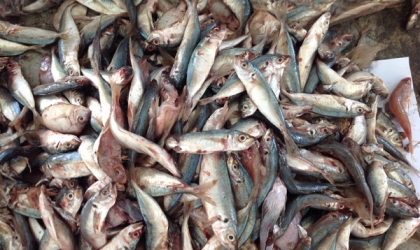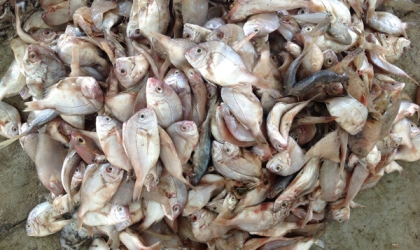




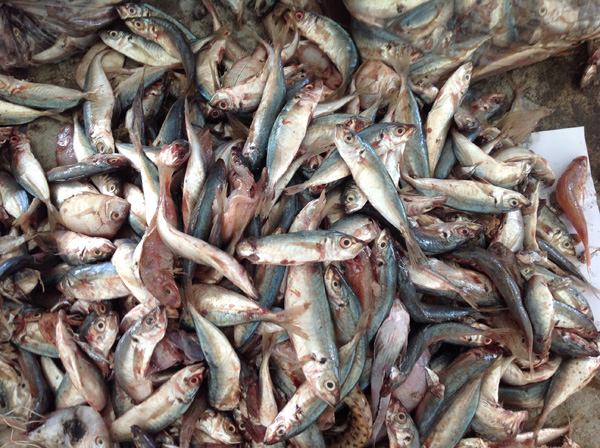
Marine fish groups vary in size, tissue-to-bone ratio, moisture and nutritional composition. Classification before processing is therefore essential for reducing variation and planning different product grades.
Quality is more than one protein number
Alongside protein, customers consider moisture, consistency, odour, particle size and ease of formulation. These characteristics are influenced by both raw material and production conditions.
Classification improves control
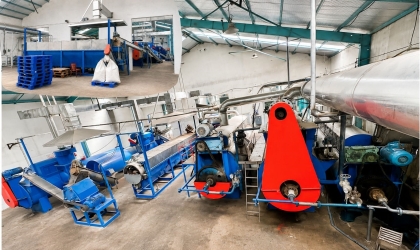
Incoming material is assessed by condition, fish group and processing suitability. This allows the factory to plan production and controlled blending across Chau Do’s 52%–65% protein fishmeal range.
Lot records and finished-product checks help Chau Do respond to technical requirements more clearly and support customers in selecting the grade suited to their application.
Natural variation requires a managed process
Marine material is biological and cannot be absolutely uniform like a synthetic industrial input. Season, fishing area and species mix can change. The factory’s role is to recognise that variation and manage it before differences appear in finished meal.
Classification brings similar materials together, allowing more appropriate operating conditions and blending decisions. When reception information is combined with test results, the factory develops practical knowledge for each source group.
A broad protein range supports different formulation goals
Feed mills have different requirements depending on animal species, growth stage and target cost. The most suitable fishmeal is not necessarily the grade with the highest protein number; it is the grade that performs the intended role consistently in the formula.
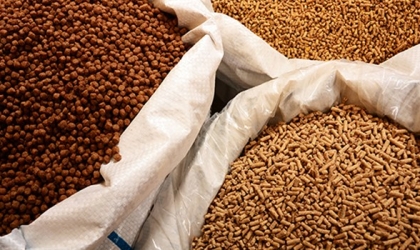
A 52%–65% range gives customers more options. For the range to be meaningful, each grade needs clear description, lot control and open technical communication. This supports a long-term supply relationship rather than one-off shipment decisions.
Technical dialogue improves product selection
Customers can improve selection by sharing intended use, priority specifications, packaging needs and delivery plans. Better information gives the supplier a stronger basis for recommending the right grade and preparing a consistent lot.
Chau Do aims to provide useful information alongside product. Raw-material classification, lot records and finished-meal checks allow the team to respond to technical questions more specifically.