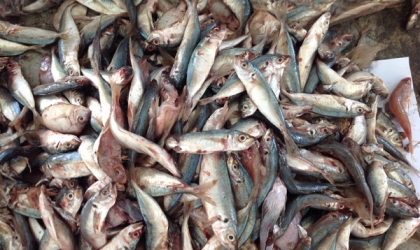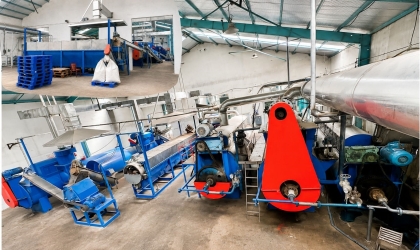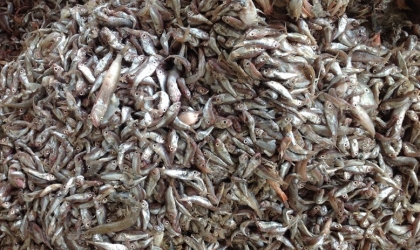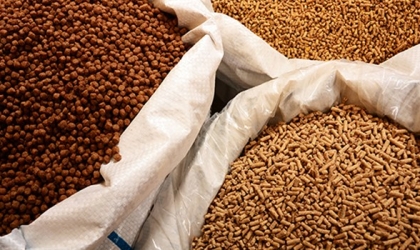



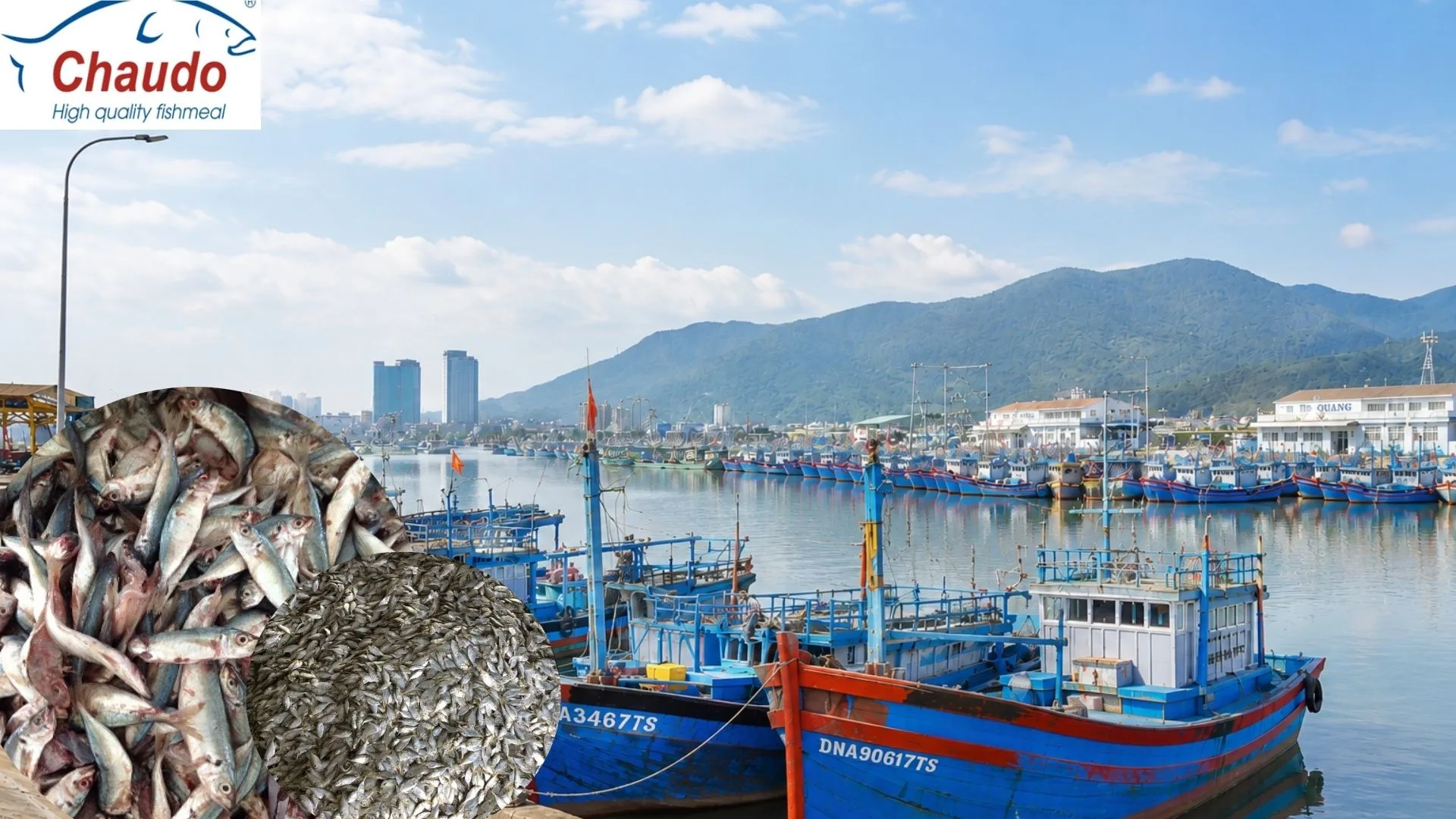
Fish processing generates heads, frames, trimmings and other suitable portions that are not sold directly as food. When collected, classified and handled correctly, these materials can become nutrient-rich inputs for fishmeal production.
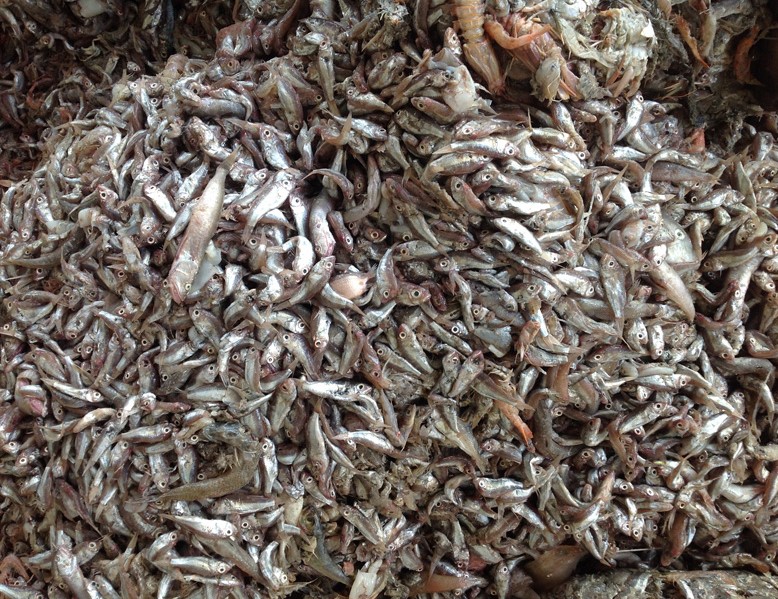
From by-product to resource
FAO describes a circular approach as keeping materials in productive use and extracting value instead of discarding them. In seafood value chains, by-products can support feed ingredients, fish oil, fertiliser and other value-added applications.
Conditions for effective use
Material must be collected quickly, protected from contamination, assessed for freshness and separated by source. These controls help production teams manage blending and maintain finished-product specifications.
Chau Do prioritises traceable material that is compatible with its process and inspected before reception. This supports more efficient use of marine resources and a more sustainable supply chain.
Circularity starts with separation
Not every material generated during seafood processing should be combined. Groups differ in moisture, bone, oil and protein. Separation at source protects value and reduces the effort required later in the chain.
Contamination or long holding times can sharply reduce usability. A circular model therefore depends on coordination between processors, collectors, transport providers and the receiving factory.
Benefits beyond waste reduction
Appropriate utilisation creates an additional outlet for fishing ports and seafood processors while adding material to the feed ingredient supply. Value remains in the chain instead of becoming a collection and environmental treatment cost.
Well-managed by-products also diversify a manufacturer’s input base. Diversity, however, does not mean relaxed standards: every source still needs to meet reception criteria and fit the intended finished-product quality.
From environmental commitment to measurable action
A credible by-product programme needs data: source, collection time, received volume, rejection rate and finished-product results. These indicators show which supply channels perform well and where improvement is required.
Chau Do seeks responsible use of marine material through direct collection, classification and timely processing. This practical approach combines waste reduction, nutrient preservation and a more resilient supply base.