


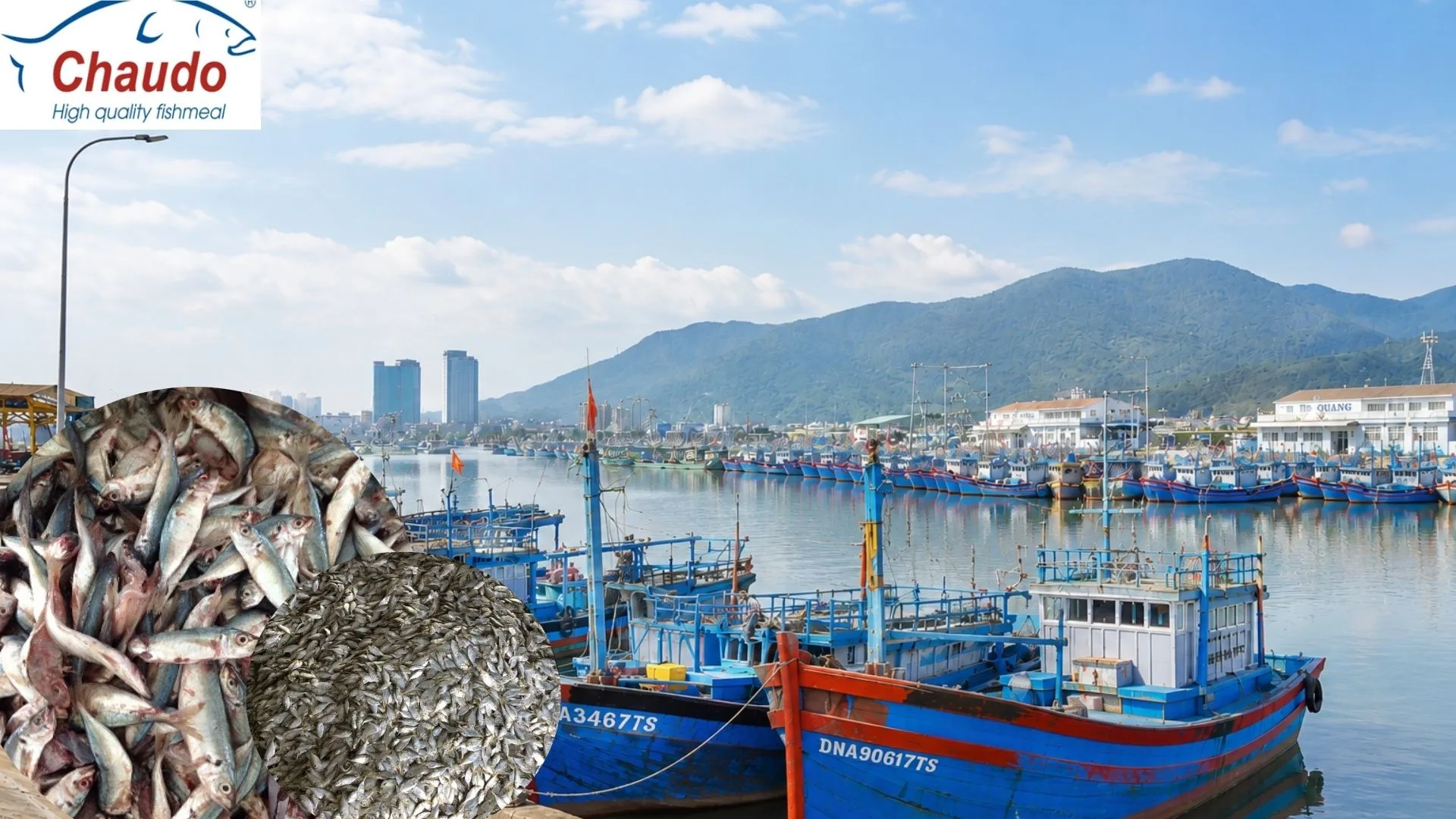
Fishmeal quality begins when raw material leaves the landing port. Marine fish is nutrient-rich but highly perishable, so the time required for collection, transport and reception can directly influence the finished ingredient.
Why freshness matters
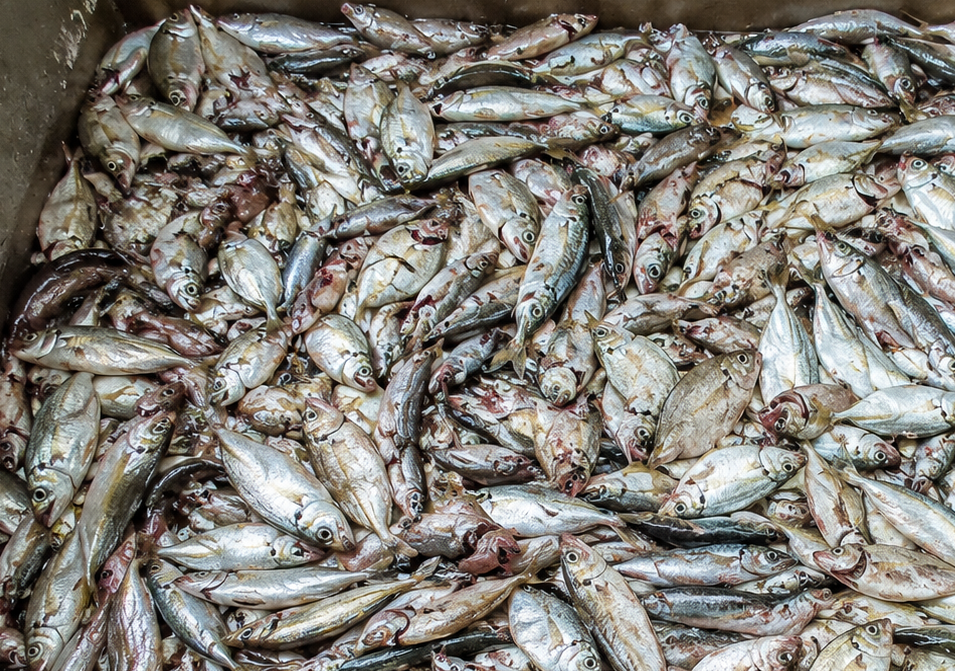
Prompt processing supports better preservation of protein and other valuable nutrients. Delays may increase odour and volatile compounds, resulting in greater variation between batches. FAO guidance likewise highlights the importance of minimising the interval between catch and processing and keeping fish cool.
Chau Do’s approach to incoming material
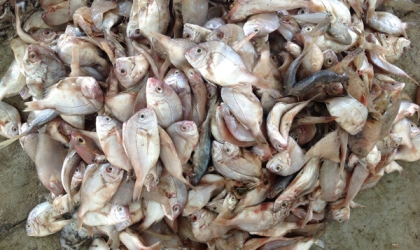
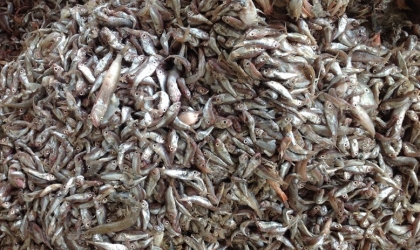
Chau Do purchases directly from fishing ports in Central Vietnam. Incoming material is visually inspected, classified and scheduled for processing within the day. Each lot is assessed for its suitability across the company’s 52%–65% protein fishmeal range.
Control at reception improves production consistency, reduces batch variation and supports reliable supply to livestock and aquaculture feed manufacturers.
From fishing port to factory reception
A suitable lot is not defined only by fish species. Catch timing, landing conditions, transport duration, ambient temperature and foreign material can all make a difference. Coordination with collection partners and preparation of factory reception capacity therefore need to happen together.
Once a truck reaches the factory, reception must move efficiently to avoid delays. Colour, odour, tissue condition and lot uniformity are observed before material enters the main line. Detecting unusual variation at this stage is far more effective than trying to trace it after different materials have been blended.
How freshness affects practical feed use
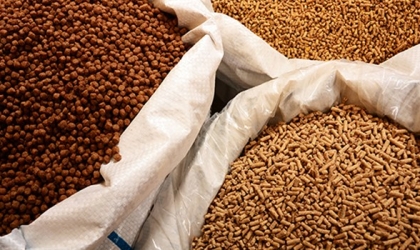
Feed manufacturers are not buying only a protein number on a specification sheet. They need repeatable ingredients so that formulations can remain stable. Wide variation between fishmeal deliveries creates extra formulation work and makes cost and finished-feed quality more difficult to manage.
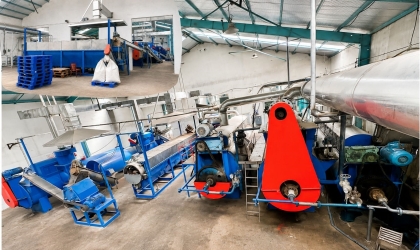
Freshness control helps reduce part of that variation. Material received in suitable condition also allows cooking, pressing and drying parameters to be set more consistently. This supports characteristic colour and odour, uniform particle size and a more predictable finished meal.
Consistency comes from many disciplined steps
No single machine can replace raw-material management. Results come from a chain of small, repeated actions: source selection, rapid transport, clean reception areas, classification, lot records and timely communication with production teams.
Chau Do’s location in Da Nang and connection to Central Vietnam fishing ports help shorten the supply chain. The objective is not merely to receive material quickly, but also to retain useful lot information for production control and transparent customer communication.