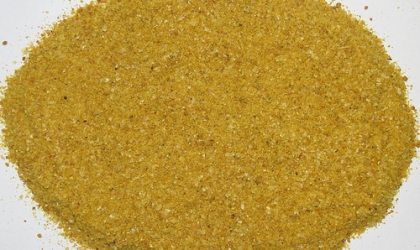



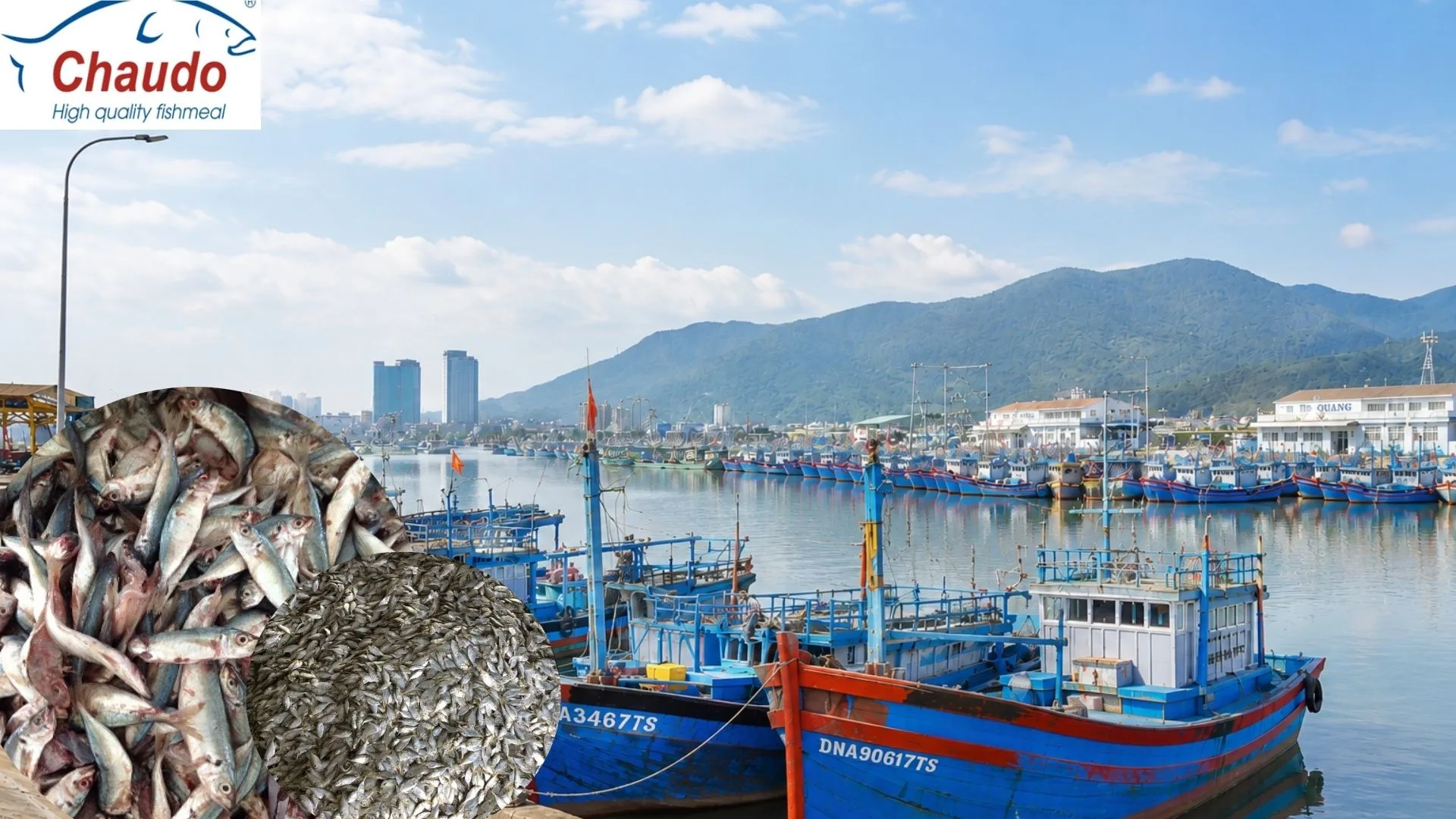
Fishmeal production is more than drying and milling raw fish. It is a continuous sequence of cooking, pressing, drying, grinding, blending, cooling and bagging. Finished-product quality depends on stable coordination across every stage.
Managing temperature and time
Heat cooks the material, removes moisture and helps stabilise the product. Excessive exposure, however, may affect protein quality. Operating conditions therefore need to reflect the condition and characteristics of each incoming lot.
Continuity from reception to bagging
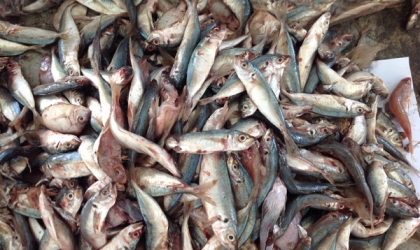
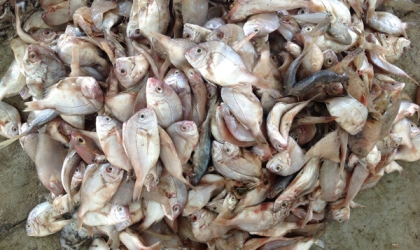
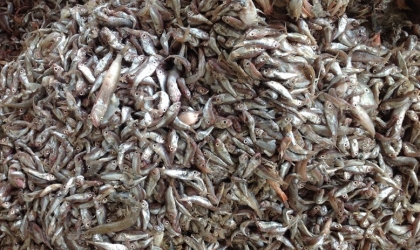
At Chau Do, raw material is classified before entering the line. Cooking, pressing, drying and milling are organised continuously to minimise waiting time. Finished meal is cooled, checked and bagged before warehouse intake.
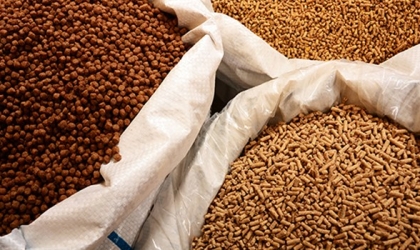
An integrated line supports control of moisture, particle size and batch consistency—important requirements for livestock and aquaculture feed customers.
Each stage has a specific purpose
Cooking conditions the material and assists phase separation. Pressing reduces liquid in the cooked mass. Drying brings moisture to a suitable level, while milling creates a particle size that works well in feed mixing. Cooling and bagging then prepare finished meal for safer storage.
Instability at one stage often places additional pressure on the next. Material leaving the press with excessive moisture increases dryer load, while meal that has not cooled adequately may create less favourable conditions inside the bag.
Lot data enables proactive control
In industrial production, lot records are a practical control tool. Reception time, material group, production timing and finished-product results create a data chain for later review. This shifts quality management from reacting to problems toward preventing them.
Sampling and tracking protein, moisture and sensory condition also help production teams understand the relationship between raw material, operating settings and finished meal. Accumulated data becomes a foundation for continuous improvement.
The warehouse is part of the quality line
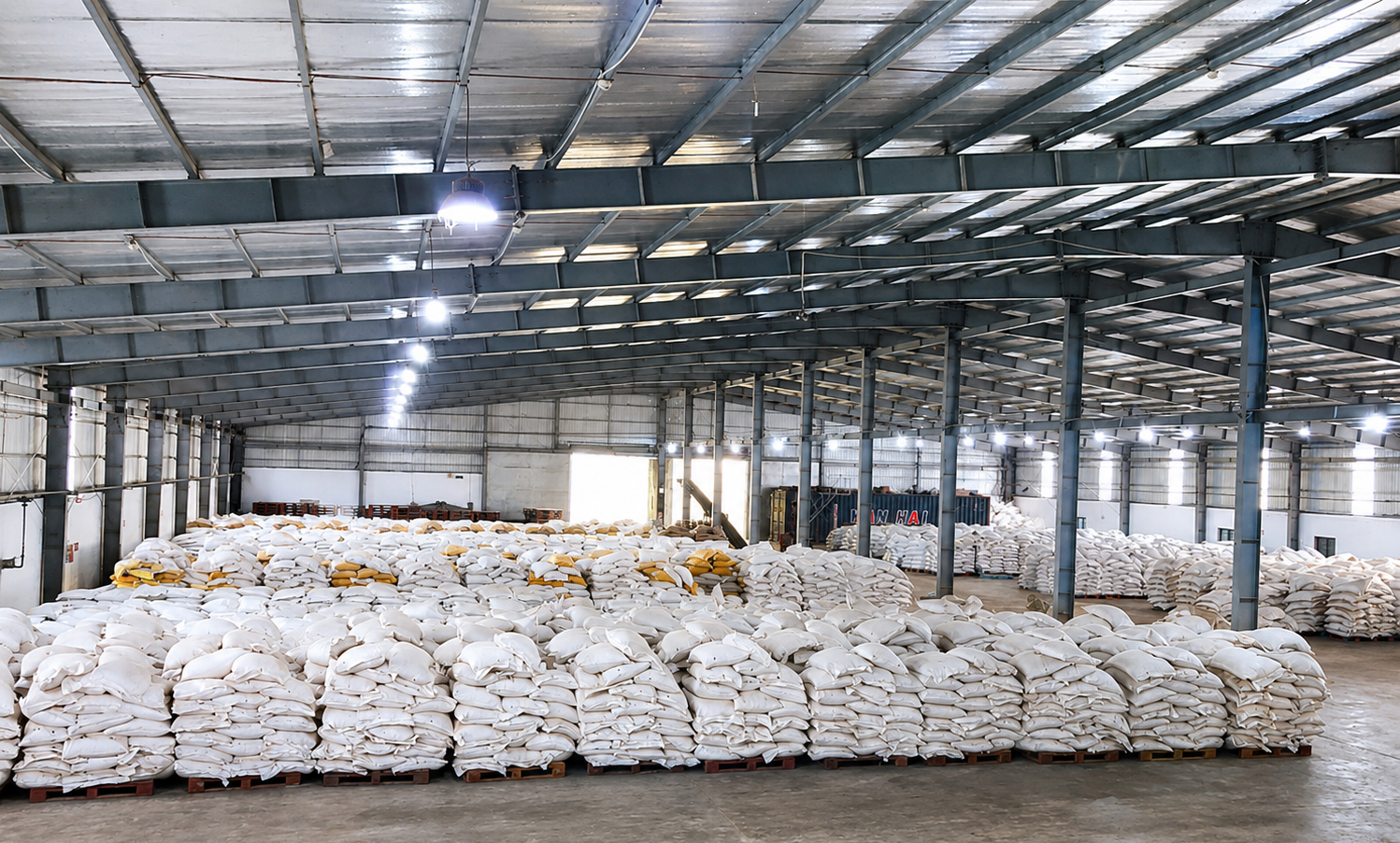
Quality control does not stop at bagging. Storage areas need to remain dry, ventilated, clean and organised by lot. Palletised bags avoid direct floor contact and make inspection and first-in, first-out management easier.
At Chau Do, production capacity is linked with warehouse and dispatch organisation. This coordination supports customer-specific orders, reduces the risk of grade mix-ups and maintains consistency through delivery.